The Silent Killer of Startup Growth: Why Spreadsheets are Holding You Back

The Silent Killer of Startup Growth
The Spreadsheet Paradox
You didn't start a company to become a part-time administrator, you started it to solve a burning problem, to build a product that matters, and to change the trajectory of your industry. Yet, as the end of the month approaches, you likely find yourself far away from those strategic goals. Instead, you’re buried in a digital labyrinth of Excel sheets, cross-referencing timesheets with email threads, and frantically Googling tax code updates to ensure you don't accidentally break the law. This is the reality for thousands of founders and HR managers who are trapped in what we call the Spreadsheet Paradox. It is the false belief that manual processes are free, while software is an expense.
The spreadsheet is not a free tool; it’s a silent killer of growth. In the early days, when you have three employees and a single bank account, a spreadsheet feels manageable, as it’s flexible, accessible, and familiar. But as you scale, hiring your tenth, fiftieth, or hundredth employee, that same spreadsheet transforms into a chaotic, error-prone liability, as it doesn’t scale with you, instead it actively works against you. Every new row adds complexity, every new formula increases the risk of breakage, and every manual entry opens the door to human error.
The High Price of Human Error

The financial impact of these manual errors is far more devastating than most leaders realize. It is easy to dismiss a minor data entry mistake as a nuisance, but the data tells a different story. According to a study by EY, a single payroll error costs a business an average of $291 to fix. That figure includes the direct cost of the error, the time spent investigating it, and the administrative burden of correcting it.
Now, multiply that by the frequency of human error in a growing team. Electro IQ estimates that a company with 1,000 employees could spend over $768,000 annually just to fix payroll issues. This is capital that could have been deployed into R&D, marketing, or talent acquisition, effectively incinerated by administrative inefficiency.
The Productivity Drain
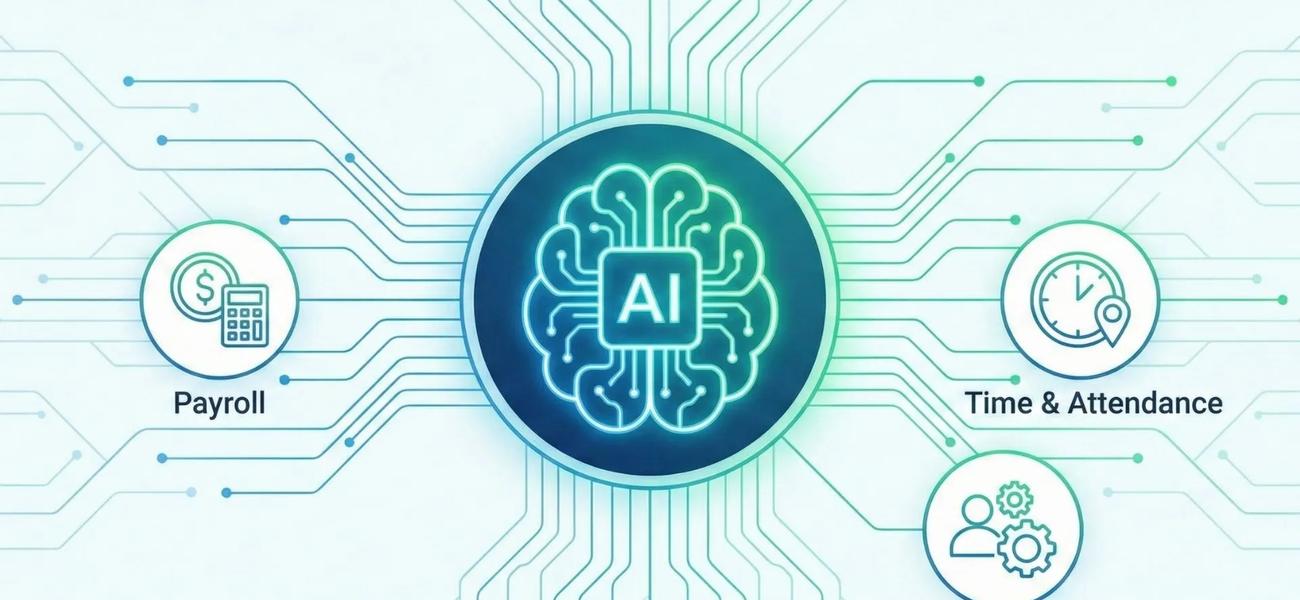
Beyond the direct financial bleeding, there is a massive opportunity cost that often goes unnoticed. Your HR team, or in many cases, your founding team, has a finite amount of cognitive bandwidth. Every hour spent manually copying data from a time-tracking app into a payroll spreadsheet is an hour stolen from high-value strategic work.
Research from Deloitte highlights this alarming trend, noting that HR staff spend up to 57% of their time on administrative tasks. Imagine if you could reclaim half of your HR team's week, and instead of functioning as data entry clerks, they could focus on culture building, leadership development, and retention strategies which are the very things that actually drive long-term success.
Navigating the Compliance Minefield

Then there is the looming specter of compliance. In the modern regulatory landscape, ignorance is not a defense. Labor laws, tax brackets, and social security contributions are in a constant state of flux. A spreadsheet cannot alert you when a tax law changes in a specific jurisdiction, nor can it flag a compliance violation before you hit send on a wire transfer.
The risks here are existential. A 2024 survey by PayrollOrg found that 63% of respondents cited compliance as their biggest challenge. Relying on manual processes to navigate this minefield is akin to driving blindfolded. You might survive for a while, but eventually, you will hit an obstacle that causes significant damage to your reputation and your bottom line.
Why We Built Teamio
This is why we built Teamio, as we recognized that the anti-spreadsheet movement was about company survival. Teamio is a fundamental reimagining of how people's operations should function by leveraging AI, we move beyond simple digitization into true automation. This distinction is critical as digitization is just typing into a computer instead of writing on paper, and automation is having the computer do the work for you. Forrester reports that companies that automate payroll can see a 37% time-savings for payroll administration. That is the efficiency gap between the companies that stagnate and the companies that scale.
Precision at Scale
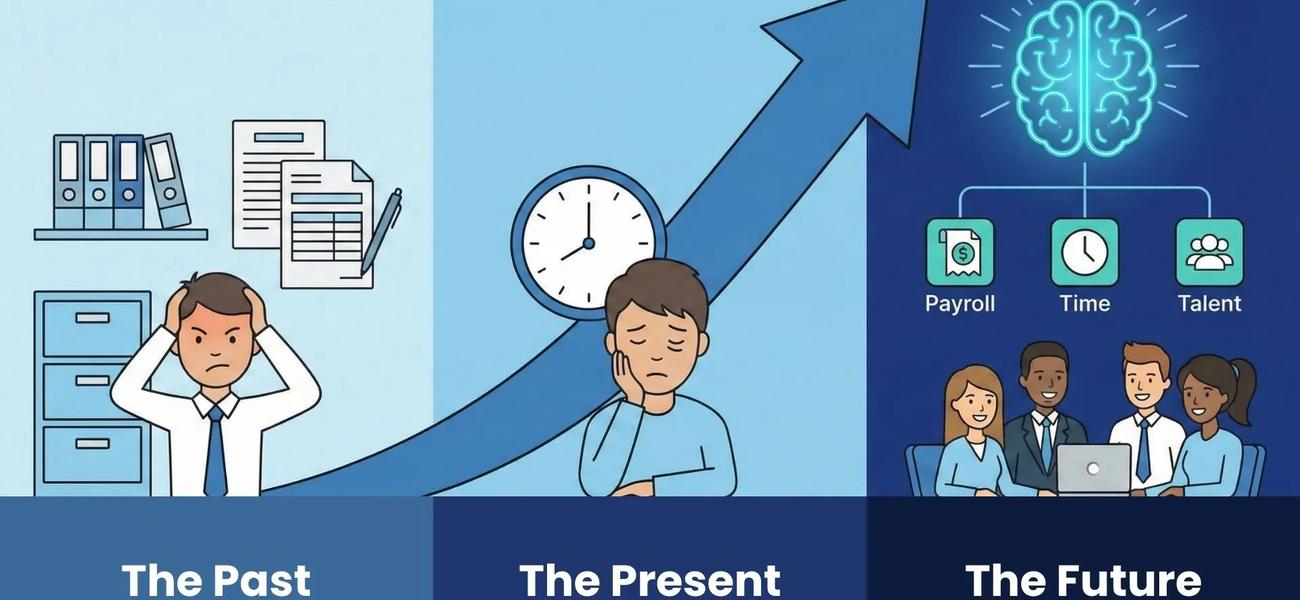
With Teamio, precision payroll becomes the default standard. Our platform handles the complex gross-to-net calculations, tax withholdings, and multi-jurisdictional compliance automatically. But we go further than just payroll, as we integrate smart time and attendance features, such as GPS geofencing and biometric verification, to ensure that the data feeding your payroll is accurate from the source. This eliminates the garbage in, garbage out problem that plagues so many manual systems. You get a single source of truth for your entire workforce, from onboarding to offboarding, without ever touching a cell or writing a formula.
Reclaim Your Time

The future of work is automated, intelligent, and human-centric and it’s time to stop letting administrative burdens dictate your company's pace. The spreadsheet served its purpose in the era of static business, but in the high-growth environment of 2026, it’s an anchor dragging you down. By adopting Teamio, you’re buying back your time, your security, and your focus. It’s time to kill the spreadsheet and let your team get back to the work that truly matters.
Get Started with Teamio Today!